
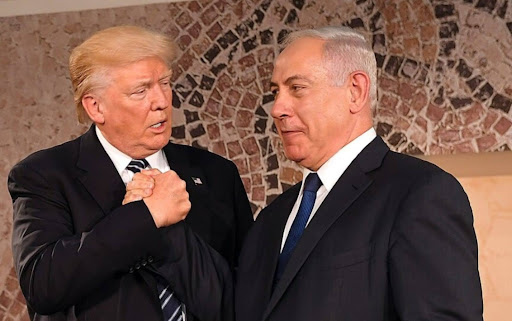
A unilateral Israeli strike on Iran’s South Pars gas field has raised uncomfortable questions about the chain of command in the US-Israel war against Tehran. Israel’s Prime Minister Benjamin Netanyahu confirmed that the attack was carried out by Israel alone, even as US President Donald Trump said publicly that he had instructed Netanyahu not to do it. The incident exposed the limits of American influence over Israeli military decisions, even in the context of a joint campaign.
The South Pars strike sent energy markets into turbulence and prompted Iran to hit back against energy infrastructure throughout the Middle East. Gulf nations, alarmed by the economic fallout, pressed Trump to exert stronger control over his Israeli ally. Trump’s public response was notable: he acknowledged he had been ignored on a significant military decision, though he suggested the overall relationship remained on solid ground.
Netanyahu’s approach to managing the fallout was characteristic — confident, assertive, but also careful to invoke his long alignment with Trump’s worldview. He agreed to Trump’s request not to strike the gas field again but made no secret of the fact that the initial strike was Israel’s sovereign choice. He framed the broader alliance as one of shared conviction rather than subordination.
Conflicting signals from Washington complicated the picture further. Trump’s social media post claiming the US had no foreknowledge contradicted reporting from multiple sources indicating otherwise. Senior US officials moved quickly to smooth over the rift, emphasizing that target coordination between the two militaries is ongoing and that US strategy reflects American national security interests.
The broader divergence in war aims — Trump’s focus on nuclear containment versus Netanyahu’s vision of regional transformation — remains the deeper issue. Tulsi Gabbard’s congressional testimony acknowledging different objectives from each leader captured a reality that official statements have tried to obscure. Whether the alliance can absorb these differences without lasting damage may depend on how the next phase of the conflict unfolds.