
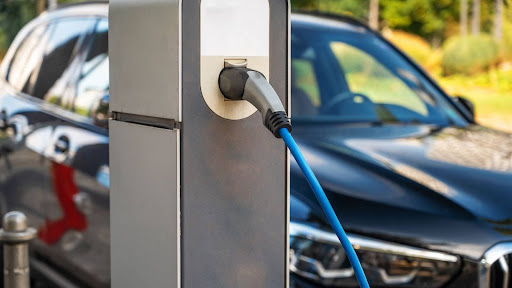
Every trip to the gas station has become a reminder of how much the world has changed in recent weeks. With gasoline averaging $3.90 per gallon nationally — the steepest price in nearly three years — American drivers are feeling the financial pressure acutely, and many are responding by researching electric vehicles in record numbers. The current spike in gas prices is tied directly to the geopolitical upheaval triggered by US and Israeli military operations against Iran.
Iran’s subsequent closure of the Strait of Hormuz has had far-reaching consequences for global energy markets. This critical channel, through which approximately 20 percent of the world’s oil supply passes, has been shut off by Iran as part of its response to the military strikes. The resulting supply disruption has pushed up oil prices worldwide, translating into higher costs at American fuel pumps within days of the conflict’s escalation.
Industry data confirms that consumers are responding. CarEdge recorded a 20 percent increase in electric vehicle searches beginning almost immediately after the Iran strikes. Justin Fischer, an analyst at the firm, described the speed and scale of the response as a direct indication of how closely gas prices and EV interest are linked. Edmunds reported parallel trends, with head of insights Jessica Caldwell noting that fuel costs are uniquely salient to consumers because they are encountered so regularly and openly.
Used electric vehicles are attracting attention from buyers who may not have considered an EV purchase just a few months ago. Models like the Nissan Leaf and pre-owned Teslas are now available in the sub-$25,000 range, making them accessible to a much broader segment of the American car-buying public. Caldwell said this affordability shift, combined with current gas prices, is likely to result in rapid turnover of used EV inventory.
The question now is whether this interest will translate into sustained sales growth. The US already trails many peer nations in EV adoption, with electric cars making up just 7.8 percent of all new vehicle sales last year. Policy reversals under the current administration, combined with automaker retreats from EV investment, mean the structural conditions for rapid electrification remain weak even as consumer sentiment shifts.